TSCA Title VI plywood & MDF
Plywood and MDF for US furniture and interior projects. Discuss TSCA Title VI and CARB Phase 2 requirements with your panel type, finish and container mix.


CUZI INDUSTRY · SINCE 2006
Custom plywood and MDF for furniture, interiors and construction. Combine sizes, grades and finishes in one container.
PRODUCT FAMILIES
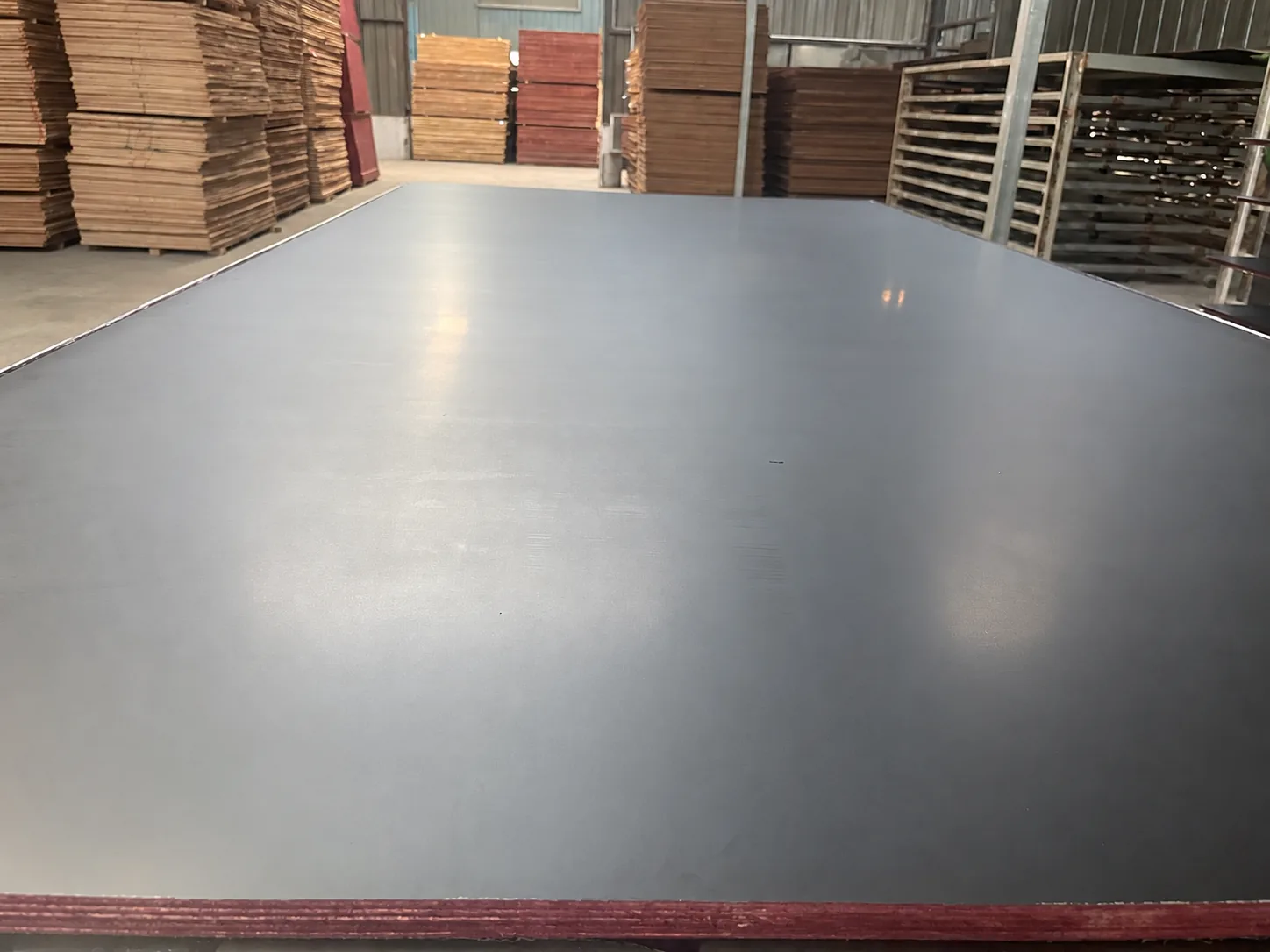
5 PANEL OPTIONS
Concrete formwork, flooring and construction.
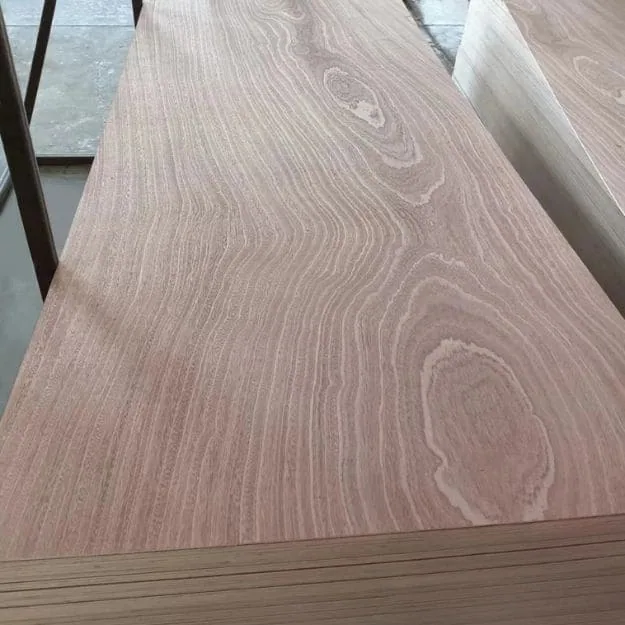
8 PANEL OPTIONS
Face, core and species choices for furniture and fabrication.
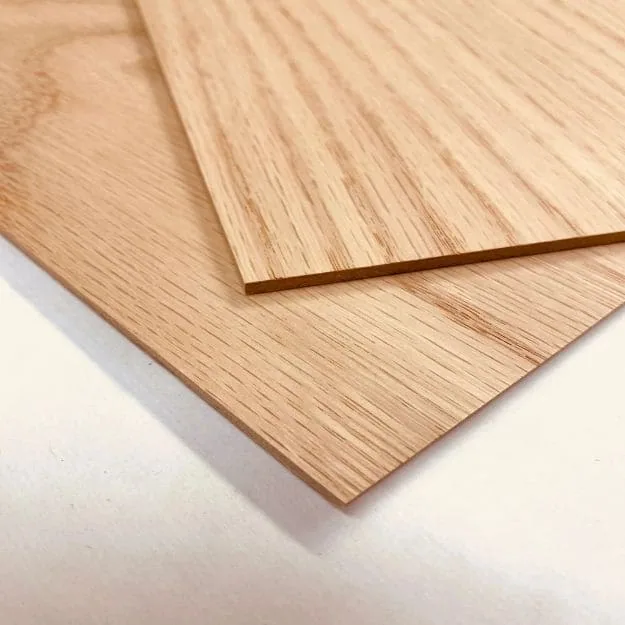
8 PANEL OPTIONS
Veneer species, matching and finishes for visible wood surfaces.
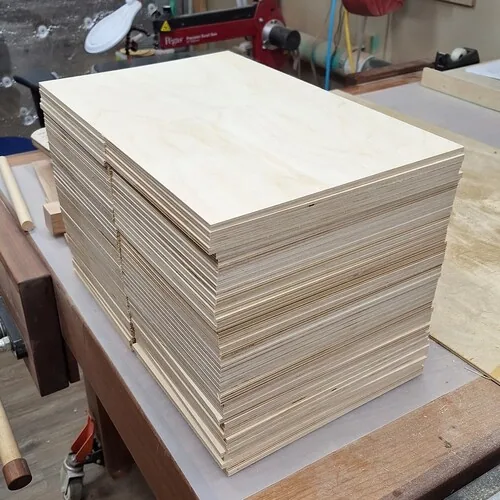
7 PANEL OPTIONS
Marine joinery, curved furniture and specialist components.
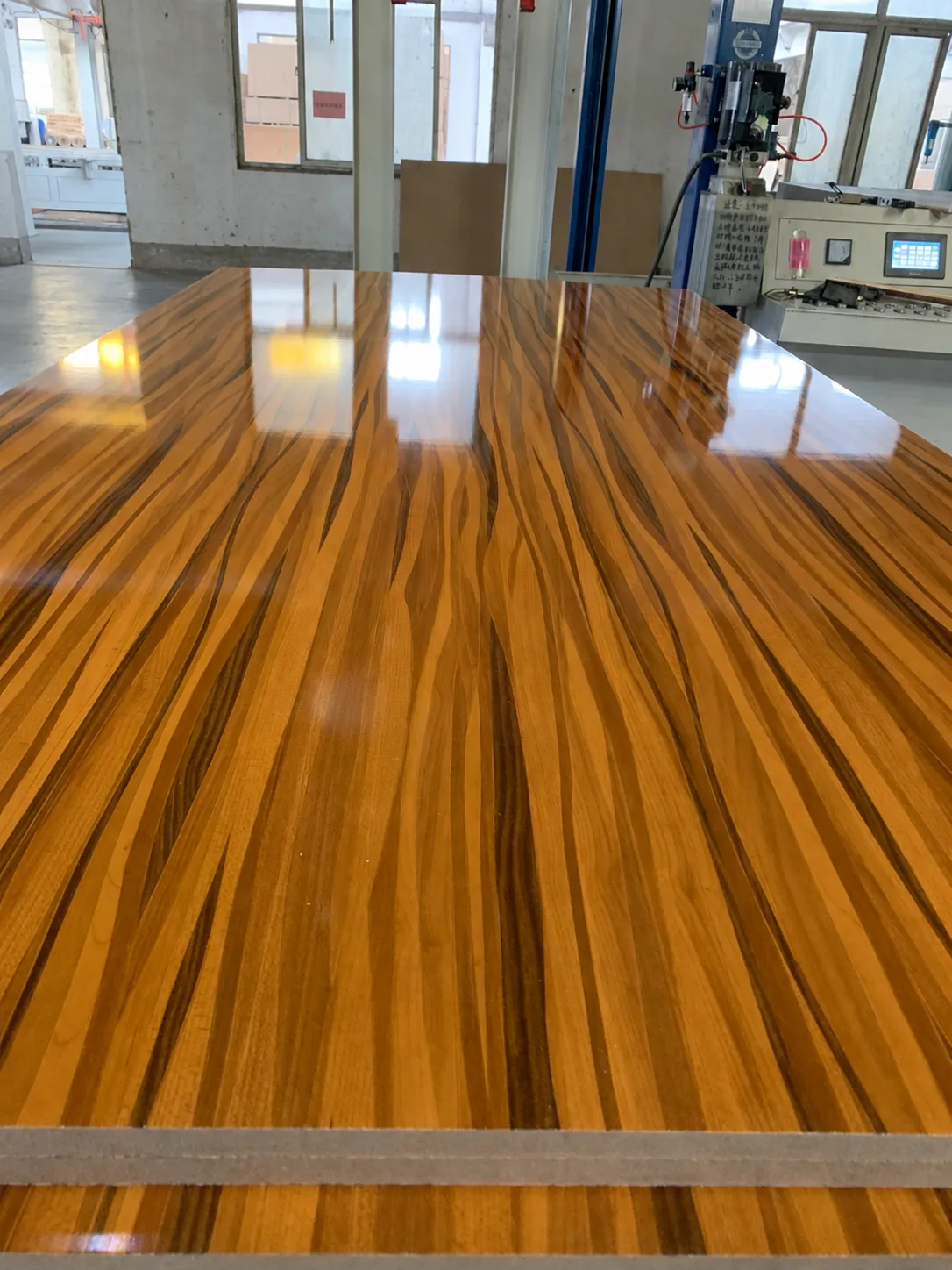
16 PANEL OPTIONS
Plain, melamine and laminated boards for furniture production.
CUZI INDUSTRY · SINCE 2006 · XUZHOU, CHINA
Plywood and MDF for furniture makers, distributors and project buyers. Choose panel construction, facing and processing, then combine your product lines in one container.
 FSC chain of custodyWood-panel purchasing and salesView certificate · PDF
  ISO 9001:2015Quality managementView certificate · PDF
  COC EN 13986Non-structural plywoodView certificate · PDF
  View PDF
 Hardwood plywood with film facing
 View PDF
 Interior MDF for dry conditions · nominal 1220 × 2440 × 12 mm
HQC · 22 OCT 2026

White and brown melamine panels, machined slots and aluminum channel fit.
ECQA · 11 MAR 2025
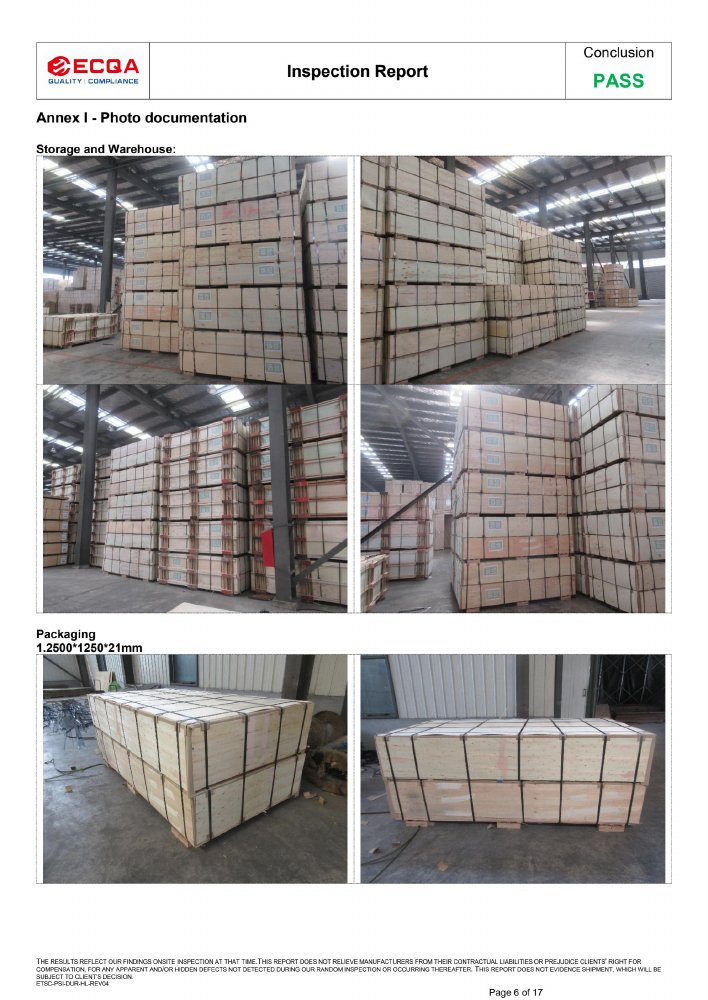
2500 × 1250 mm panels in 21, 24 and 30 mm, with dimensional checks and packing photographs.
Recorded for the all-birch panels and packs in this inspection.
MADE FOR YOUR MARKET
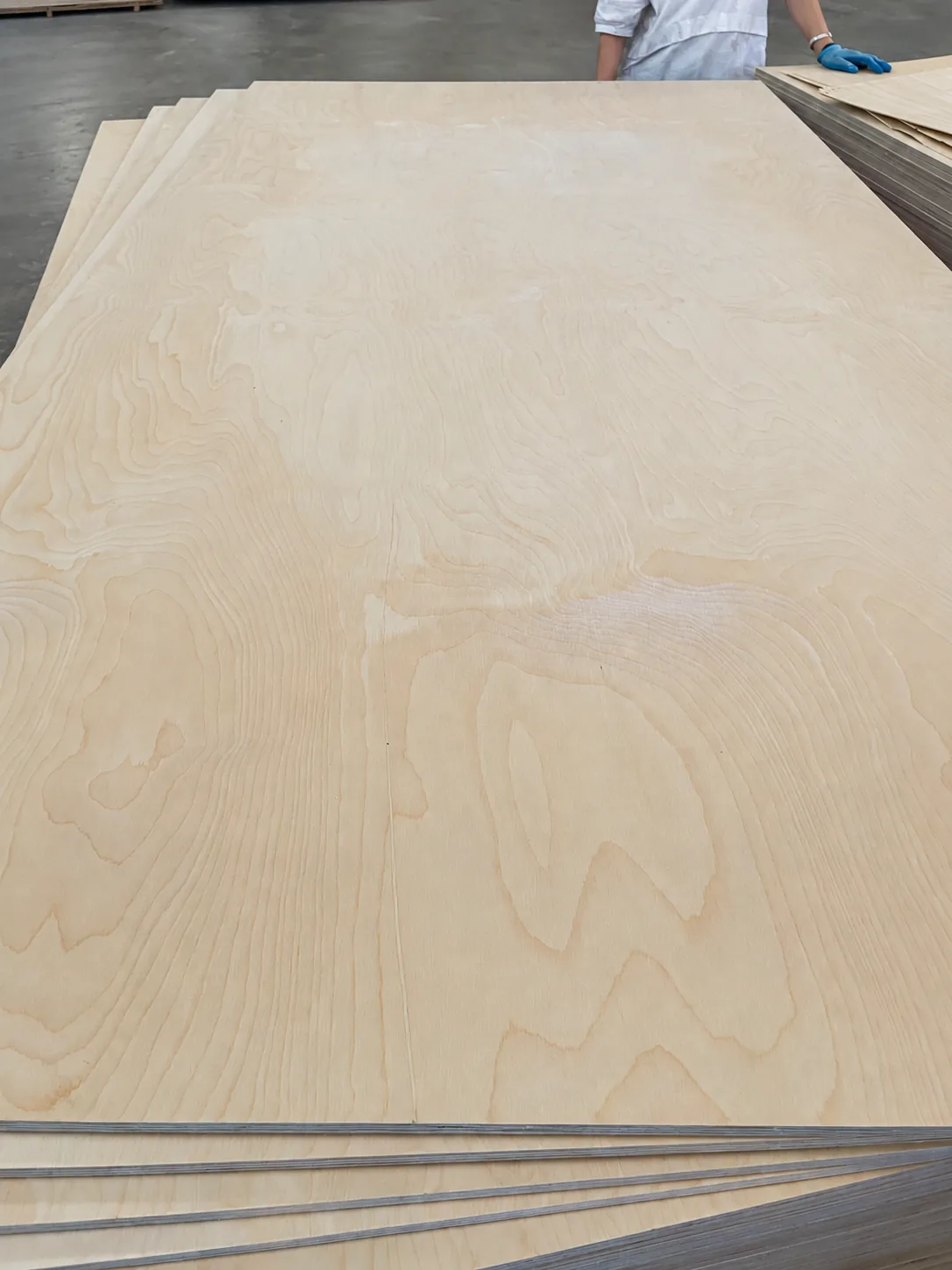
Your next furniture line starts with its materials. Explore birch plywood for cabinetry, CNC components and exposed edges, or plain MDF for painted doors, profiles and laminated furniture.
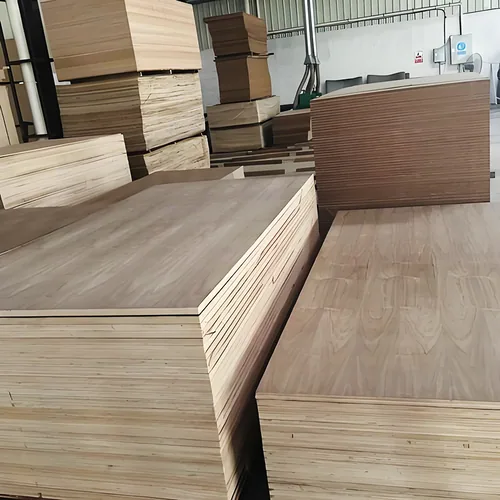
Bring your design together with decorative veneer panels. Species, grain, matching and finish give doors, furniture and wall panels their individual appearance.
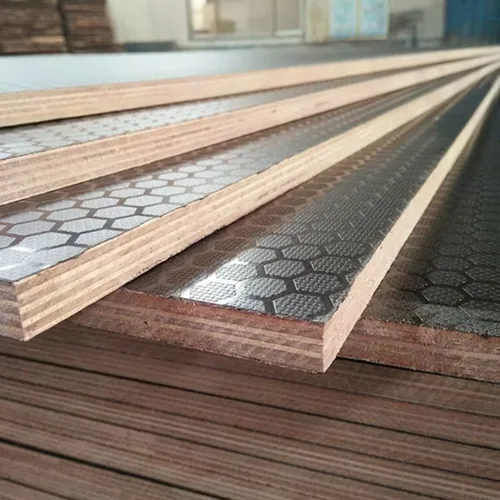
Find formwork panels for concrete work and anti-slip plywood for flooring applications. Discuss the construction, surface and service requirements for your project with CUZI.
TRY THE PANEL FIRST
Free samples make it easier to take the next step. See the proposed material, try the detail that matters to your product and discuss the result with CUZI.
A sample connects your choice of face, core and dimensions to a piece of material you can examine.
The cut edge, routed profile or coated surface helps you see how the proposed panel fits your work.
The selected sample and written panel details give your order a clear starting point.
Sample freight is fully credited against your formal order. Request a sample or view sample arrangements.
View the 12 mm RAW MDF test report and request technical documents for the panel you are ordering. Product worksheets are available for general fabrication, formwork and painted and routed MDF.
YOUR PRODUCT, YOUR DETAILS
A visible edge, a painted profile or a matching veneer can shape the whole product. Talk to CUZI about the details that make your panel the right fit.
Veneer species, decor and matching choices for the surfaces your customers see.
Explore decorative panelsA panel construction chosen around your component, its edges and the way you use it.
Explore panel constructionsRegular plywood formats: 1220 × 2440, 1250 × 2500 and 1525 × 3050 mm. Regular MDF formats: 1220 × 2440 and 2100 × 2800 mm. Other sizes are available on request.
Discuss your sizesPainting, laminating or a visible wood edge: your finish helps determine the starting panel.
Explore finishing considerationsA sample lets you explore the appearance, machining and fit before placing your order.
Find your sample worksheetPacking and item labels discussed around your order mix and receiving arrangements.
Discuss packing & deliveryLET’S MOVE YOUR ORDER FORWARD
Start with what you know. The conversation brings your panel choice, sample and shipment into one order.
Your product, quantity and destination give us a starting point. A drawing or reference photo is welcome.
Your starting point: a product or project.Discuss the proposed material, dimensions, finish and quotation for your application.
Your proposal: panel details and quotation basis.Evaluate the appearance, machining or fit that matters to your finished product.
Your sample: the detail you want to evaluate.Bring the selected panels, quantities, packing and proposed schedule together.
Your order: item list and commercial terms.Connect the packing list and shipment arrangements to the way your business receives material.
Your arrival: packing and receiving arrangements.WHEN YOU WANT TO KNOW MORE
Shipping, documents and your first inquiry, in one place.
INFORMATION YOU CAN WORK WITH
See the panel details behind your shortlist. Start with the material, read the results, then ask for the file that fits your thickness, construction and destination.
ECQA inspection records connect all-birch panel dimensions, moisture, quantities and packing with a shipment.
Read RAW MDF density and strength results alongside SGS formaldehyde reports for standard and moisture-resistant MDF.
Find marine bonding, film and melamine surface performance, and fire propagation reports on the relevant product pages.
Explore the plywood & MDF report library or use the documentation checklist to prepare your product file. Include the panel construction, intended use, destination and the properties you want compared.
| Project buyer | Panels, finishes and quantities arranged around your drawings and installation. |
|---|---|
| Furniture manufacturer | Material choices and samples for your machining, finishing and assembly process. |
| Importer or distributor | A mixed container item list built around your product range and stock needs. |
CUZI is based in Xuzhou, China. Bring your panel list, a drawing or an initial question, and discuss the product and export options for your business.
FROM CHINA TO YOUR DESTINATION
We produce panels to your order in 7–15 days and ship by sea in containers, FOB Qingdao or Lianyungang. Sea transit is additional. Your panels come with a 180-day warranty.
Discuss your delivery arrangements or use the quotation comparison checklist.
Explore commercial plywood or our plywood and MDF comparison to find a starting point for your product.
Your product guide includes a sample worksheet for machining, finish and fit. Bring the result to your conversation with CUZI.
The quotation comparison guide helps you understand differences in panel construction, quantities and delivery scope.
A product name, approximate quantity and destination are enough to begin. A drawing or reference photo is welcome, and you can discuss the remaining details with CUZI.
Still deciding on the material? Our plywood versus MDF guide can help you narrow the choice.
YOUR FIRST ORDER, ANSWERED
MDF suits smooth painted and routed interior components; plywood provides a veneer-based construction and a layered edge. Choose around your finished part, surface and workshop process. Compare MDF, plywood and particleboard, or use our panel comparison to put a shortlist together.
For furniture and interior components, explore HMR / MR MDF. For plywood projects, compare exterior-grade plywood and the intended exposure. Tell us how the panel will be used and finished.
Browse the US and European supply routes, then include your product, destination and document requirements in the inquiry. See the market document guide for a starting list.
Yes. Start with your application or product idea. You can discuss the panel details with CUZI as you develop the order. The product selection matrix can help you shortlist materials.
The minimum order is one container, and mixed loads are available. Quantities, packing and loading are arranged for your item list. See minimum order and mixed-load details.
Plywood: regular sizes are 1220 × 2440, 1250 × 2500 and 1525 × 3050 mm; 1220 × 3050 and 1250 × 3660 mm are available on request.
MDF: regular sizes are 1220 × 2440 and 2100 × 2800 mm; 1220 × 3050, 1830 × 3660 and 1220 × 3660 mm are available on request. Other sheet sizes and cut-to-size panels are also on request.
Regular production takes 7–15 days. Your quotation confirms the schedule and its start conditions. Custom orders have their own production schedule; shipping time is additional.
Yes. Samples are free; you pay courier freight and receive full credit against your formal order. See sample arrangements.
Both FOB and CIF quotations are available. For FOB, discuss the shipment port. For CIF, share your destination port so the quotation can include the agreed freight and insurance.
Yes. A drawing, finished dimensions, grain direction or finish reference helps us discuss the proposed panel and sample for your project.
Email info@cuzicn.com or start on the inquiry page. Drawings can be sent by email with the same project reference.
A LITTLE KNOWLEDGE GOES A LONG WAY
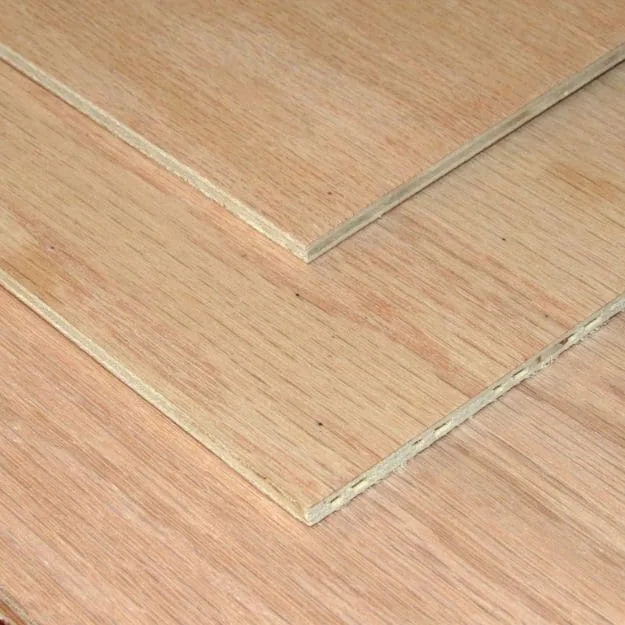
Use this plywood RFQ checklist to define end use, construction, veneer, bond, dimensions, tolerance, quantity, packaging and compliance requirements.
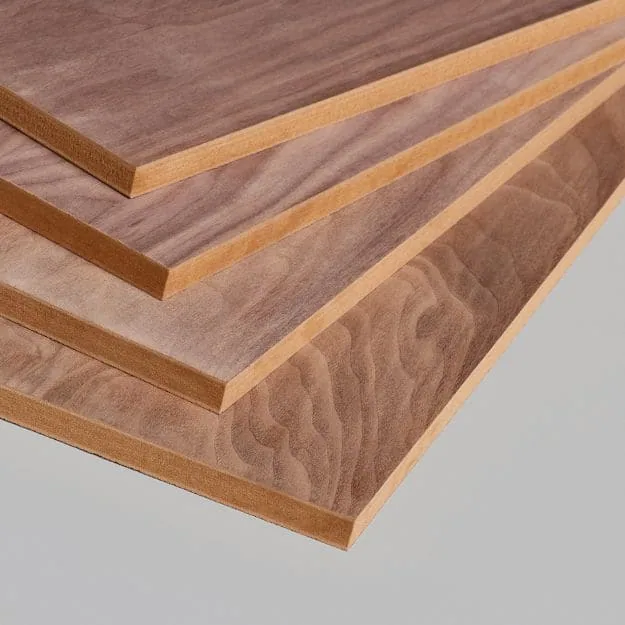
Reconcile plywood and MDF deliveries by SKU, record measurements and condition, and separate inspected quantities from the final lot decision.
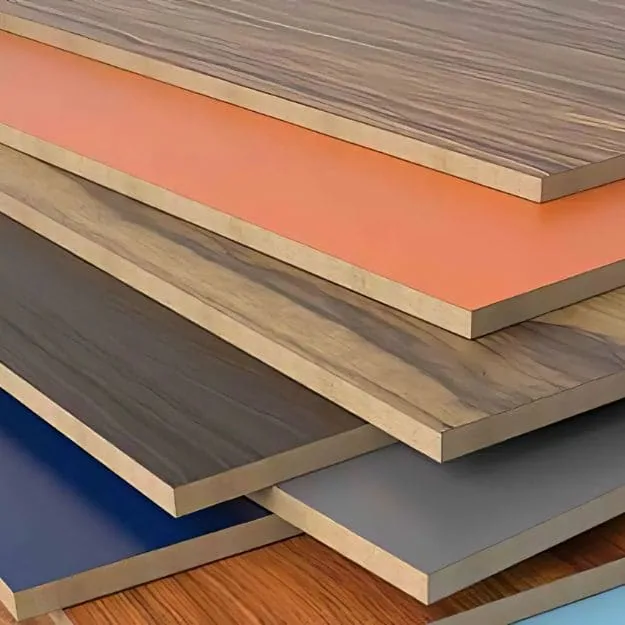
Plywood vs MDF for furniture: compare painted fronts, exposed edges, shelves, moisture requirements and cost per accepted part. Build your sample shortlist.
YOUR NEXT PROJECT
A product name, approximate quantity and destination
are enough to get started.
Or email info@cuzicn.com