Overview
Melamine faced MDF for coordinated furniture panels
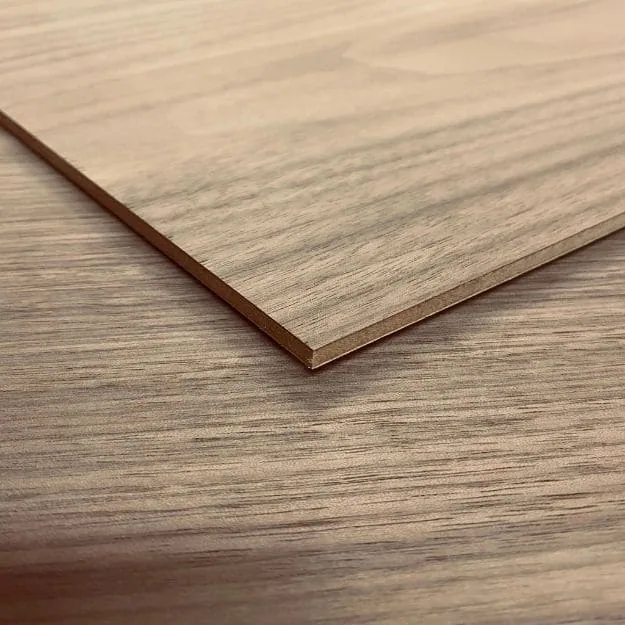
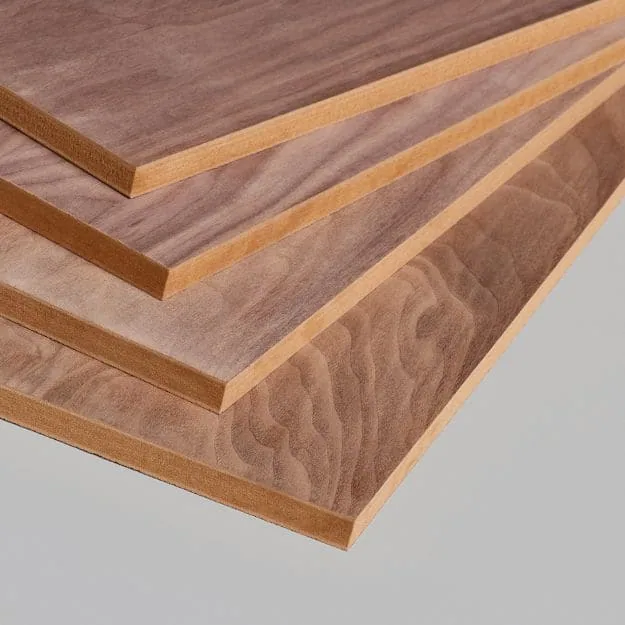
CUZI supplies black, white and woodgrain melamine faced MDF for cabinets, wardrobes and shelving. Specify the decor, MDF substrate, reverse and edge treatment as one finished panel.
Start with a decor reference or furniture drawing. Choose a surface, compare a cut and edged sample, then turn the selected board into a quotation by thickness, sheet size and quantity.
Applications
Cabinet carcasses, wardrobe doors and shelving
Cabinets & interiors
Carcasses, partitions and flat cabinet components. Mark the visible faces, shelf edges and hardware details so the quotation follows the assembled unit.
Wardrobes & door sets
Coordinated doors, drawers and interiors. Show grain direction across the front and identify which faces and edges need to match.
Shelving & furniture
Flat decorative components for your furniture range. Include shelf spans, supports, loads and fittings when evaluating the complete assembly.
For a routed painted profile, compare plain MDF. For a different laminate or veneer build-up, explore laminated MDF before choosing the surface route.
Specifications
Supply specifications
Regular sizes mm · width × length
On request
Other sheet sizes and cut-to-size panels on request.
| Nominal thickness | Finished thickness confirmed with the selected facing constructionDiscuss finished thickness and tolerances → |
|---|---|
| Core / substrate | MDF substrate; grade specified for the application |
| Surface finish | Black, white or woodgrain melamine; shade, texture and sheen confirmed with quotation |
Details for your application
Panel construction and finishing
| Substrate | MDF for cabinet carcasses, wardrobes, shelving and furniture components. |
|---|---|
| Facing | Melamine decorative surface, with decor reference, texture and sheen selected for the order. Specify black, white or a woodgrain reference with the texture, sheen and matching edge. |
| Face / back | One-side or matching two-side facing requirements specified in the board schedule. |
| Edges | Matching edge-band reference and visible-edge layout coordinated with the decor. |
| Processing | Cut sizes, grain orientation, routing, drilling and pack identification detailed by item. |
Specify the board behind your decor.
Tell us the finished thickness, sheet size and decor you need. A face reference and a simple component list help us quote the panel around your production.
| Finished thickness | Nominal thickness and finished tolerance, with the facing construction identified in the quotation. |
|---|---|
| MDF substrate | Board grade and intended environment; include a moisture-resistant or fire-specified requirement where the component calls for it. |
| Decor & surface | Colour or woodgrain reference, texture, sheen and directional grain, with a physical sample for matching. |
| Front & reverse | Identify both faces: the same decor, a different reverse reference or another specified construction. |
| Visible edges | Edge-band reference, thickness, edge map and the appearance expected at corners and joints. |
| Component schedule | Cut sizes, grain arrows, drilling or routing drawings, part labels and quantities by item. |
| Technical documents | Destination, emission class and test method; request substrate and finished-surface data for the proposed panel. |
Make the front and reverse explicit
A furniture door can expose both faces. A cabinet lining may hide one. State the required treatment of each side, then evaluate the finished component with its machining, edging and hardware fitted.
For a scratch, stain or wear requirement, include the required test method and acceptance level. Agree the proposed board construction and documents in your quotation.
Choose the MDF substrate for the environment.
Underlying MDF options include standard MDF at 2.5–35 mm with E0, E1 or E2, and moisture-resistant or fire-retardant MDF at 9–25 mm with E0 or E1. Quote the selected substrate, decor and front/reverse together. The finished faced-board thickness and tolerance belong on the quotation and sample record.
Regular MDF sheet sizes are 1220 × 2440 mm and 2100 × 2800 mm; 1220 × 3050 mm, 1830 × 3660 mm and 1220 × 3660 mm are available on request. For cut-to-size parts, send dimensions, grain direction and quantities by item.
Configuration
Choose decor, substrate, reverse and matching edges
BLACK, WHITE OR WOODGRAIN
Choose the finish your buyer will see.
CUZI supplies black and white melamine faced MDF for cabinets, wardrobes, shelving and furniture components. Send the shade or physical reference, texture, sheen and finished thickness; we will confirm the selected decor, substrate and face/back construction with your project quotation.
Black melamine MDF
Bring your dark decor reference and intended surface finish. Compare the face, edge and corner under the project lighting, including the cut quality and finished joint your customer will see.
White melamine MDF
Use a retained white master to coordinate fronts, interiors and edges. Evaluate the shade, texture and sheen beside adjacent parts, with the proposed reverse and edging in the same sample set.
Woodgrain melamine MDF
Combine a plain-colour front or interior with the woodgrain decor in your design. Keep each decor, grain direction, visible edge and part quantity on its own item line.
Illustrative tones. The physical decor reference defines the shade, texture and sheen for your selected finish.
Scroll horizontally to compare all columns.
| Finish option | Surface to specify | Match in the component |
|---|---|---|
| Black melamine MDF | Black shade or physical master; required smooth or textured feel and sheen. | Visible front, reverse and edge-band shade; inspect the edged corner beside neighbouring parts. |
| White melamine MDF | White reference, texture and sheen, evaluated under the intended lighting. | Cabinet interiors, fronts and edges; retain the board and edge masters for repeat orders. |
| Woodgrain melamine MDF | Decor reference, grain direction, texture and sheen; identify the desired matching sequence. | Door/drawer layout, adjoining parts, reverse grain and matching edge reference. |
A decor code identifies a starting reference. The quotation and physical sample identify the offered surface, texture and sheen. For a scratch, stain or wear requirement, include the test method and required result with that finish.
Specify the front, reverse and cut edge.
List the finish for each face: matching black or white, a different reverse decor, or another agreed treatment. Include the visible-edge map and finished dimensions. For exposed cuts or routed features, specify edge treatment or a through-coloured MDF core requirement separately from the melamine surface.
What to retain for black and white decor matching
- Panel and edge-band identities, physical masters, selected texture and sheen
- Front/reverse arrangement, MDF grade, finished thickness and component drawing
- Cut and edged corner, visible joint and assembled appearance under agreed lighting
- Viewing conditions and colour measurement method/tolerance where the project specifies them
- Batch and item references for adjoining parts and repeat orders
Request the surface data, care guidance and substrate documents for the proposed construction: black decor documents or white decor documents.
ONE COMPLETE PANEL DESCRIPTION
Give the front, reverse and edge their own specification.
Scroll horizontally to compare all columns.
| Facing arrangement | Write into the purchase line | Evaluate on the sample |
|---|---|---|
| Matching two-sided decor | Same decor reference on both faces, with texture, sheen and any grain-direction requirement. | Both visible faces, machined edges, fitted hardware and the assembled appearance. |
| One decorative face | Front decor plus the required reverse treatment; the proposal identifies the complete front/back construction. | Reverse condition, finished thickness/fit, edge protection and the component after machining. |
| Different front and reverse references | Identify each decor separately and request the proposed pairing for the component. | Door opening/interior view, face/reverse orientation and the edge that joins them. |
For a wardrobe, give each door, shelf and carcass panel its own item reference. Add the visible-edge map and grain arrows. Keep the chosen front, reverse and edge-band identities with that item when requesting a mixed container or a repeat order.
Choose around the finished component and the work your factory wants to control. Compare preparation, edging, machining and accepted output alongside the sheet price.
Melamine faced MDF
A decorative face for flat furniture components. Specify the decor, texture, front and reverse; trial the cut and matching edge band before your order.
Evaluate a faced samplePlain / raw MDF
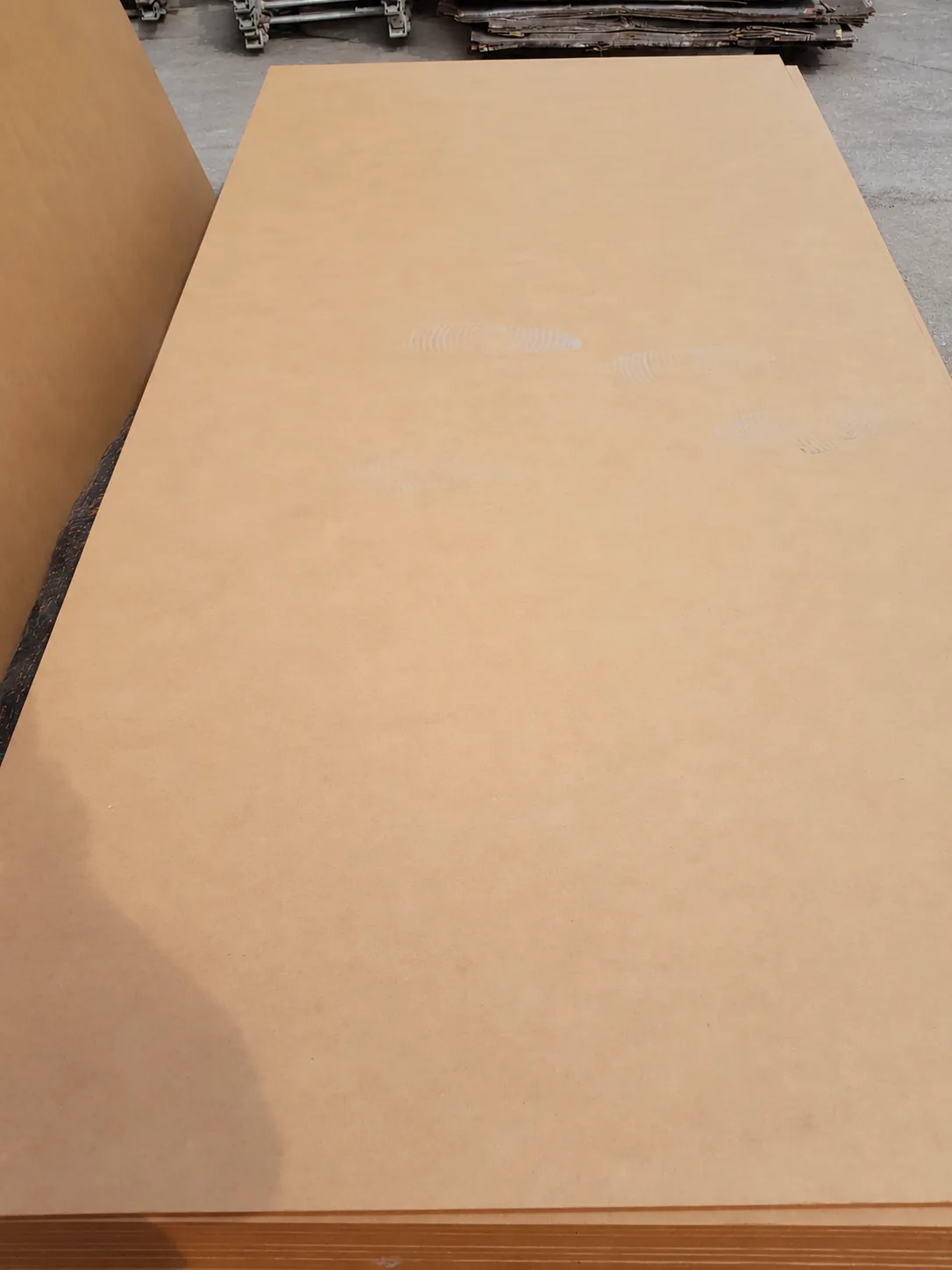
A substrate you will paint, route or face in your workshop. Include the preparation and finishing process when comparing its cost with a ready-faced panel.
Explore plain MDFLaminated MDF
A specified laminate or veneer bonded to MDF. Identify the facing, adhesive, backing and edge treatment as one complete construction.
Compare laminated MDFTFL and HPL faced MDF are different surface systems. Our HPL option comes in 12–25 mm finished panels with 0.5–2 mm laminates and a decor range coordinated with melamine. Compare the chosen surface, back and edge as a complete furniture component.
Compare the substrate and other furniture surface systems
Choosing between decorative surface systems? Our HPL vs melamine vs PVC MDF comparison connects the decor and surface construction with the reverse, edge and delivered furniture component.
Melamine faced MDF combines an MDF substrate with a decorative resin-impregnated paper surface fused under heat and pressure. The Composite Panel Association explains this thermally fused laminate (TFL) construction. Specify the actual decor and surface requirements when comparing panels.
For colour inside a cut edge or engraved recess, explore coloured MDF with a specified coloured core. Keep the decorative melamine face and the substrate colour as separate choices in the component specification.
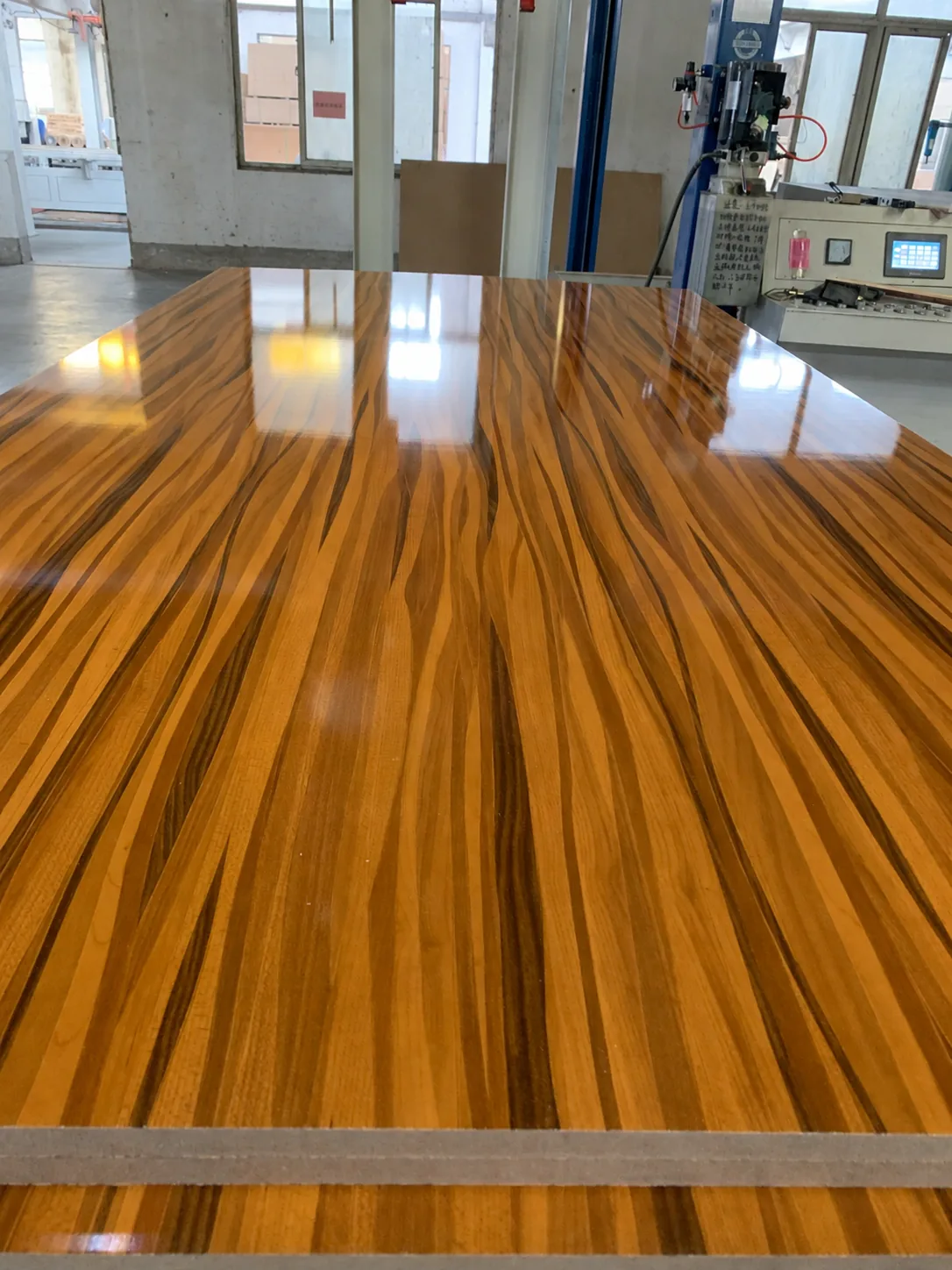
Need a high-gloss furniture finish? Compare the proposed high-gloss MDF surface with your decor and edge reference on a complete front, then retain its construction and viewing conditions in the order.
For a PET-film furniture front, use the PET laminated MDF specification with the desired sheen, face/reverse and edge. Retain material and decor identities separately when pairing it with melamine furniture components.
Need a veneer-layer substrate beneath your melamine decor? Compare melamine faced plywood and identify the core, finished thickness, reverse and edge in the component trial.
Compare the substrate as well as the decor with our MDF vs melamine board guide, including raw MDF, melamine faced MDF and particleboard constructions.
For the board beneath your decor, our MDF vs particleboard guide helps compare machining, edging and fittings in the same furniture part.
Wardrobe calculation: door blanks, edge band and usable sets
Compare door-blank sheet quantities and net edge-band length for 120 two-door wardrobes, then calculate cost per usable furniture set.
Compare sheet use against the same door schedule.
For a planning calculation, take 120 wardrobes with two 450 × 1200 mm door blanks each: 240 blanks and 129.6 m² of one-face blank area. Assume the 1200 mm grain direction stays along sheet length, 5 mm perimeter trim and a 3 mm saw kerf. Use finished-part allowances from your drawing before preparing the actual cutting plan.
Scroll horizontally to compare all columns.
| Sheet format | Blank layout and sheets | Purchased sheet area |
|---|---|---|
| 1220 × 2440 mm | 2 across × 2 along = 4 blanks per sheet; 60 sheets for 240 blanks. | 178.608 m²; 72.56% blank-area yield. |
| 2100 × 2800 mm | 4 across × 2 along = 8 blanks per sheet; 30 sheets for 240 blanks. | 176.4 m²; 73.47% blank-area yield. |
Both layouts use 2413 mm along the sheet, including trim and the intervening kerf. Across-sheet use is 913 mm or 1819 mm respectively. This simple repeated-blank layout excludes grain-print continuity, matching restrictions, defective areas and spare allocation. A continuous woodgrain elevation can change the usable layout: number door pairs before nesting and retain the accepted full elevation.
Also include edging by visible edge. Edging all four sides of each 450 × 1200 mm blank requires 792 m of net edge band for 240 doors, before workshop allowance. Show who supplies the board, edge band, boring and fitting work; separate net finished dimensions from machining allowances.
Price the complete usable set.
Use the same currency and included operations for both quotations. With assumed batch costs, 4500 monetary units divided by 120 usable wardrobe sets is 37.50 per set. A 4300-unit batch leaving 110 complete usable sets costs 39.09 per set, despite the lower batch total. These are calculation inputs, not CUZI prices or predicted rejection rates. Record complete pairs after the cut, edge and assembly trial, including any rework and agreed spare pieces.
Cut and edge a representative corner, then inspect it beside the assembled front. Keep the selected references for later additions, and discuss the appearance grouping for neighbouring parts before mixing batches.
Documents
Documents for the MDF substrate and decorative face
Connect the substrate and finished construction to the destination with our US and EU emission-document guide, including the market-specific data request.
Request the substrate data and decorative-surface information for the offered melamine faced MDF.
Keep the board grade, finished thickness, decor and face/back construction with the documents for your order. A RAW MDF report describes the substrate test; request the separate surface data needed for your finished component.
Product data & reports to request
Request a technical data sheet covering:MDF grade, finished thickness, decor identity, black/white or woodgrain reference, front/reverse and emission/destination requirements.Include these specification details:- MDF grade, dimensions and finished thickness tolerance
- Decor reference, facing construction and specified surface test results
- Destination, emission class, test method and product identification
Company documents to view
FSC chain of custody Wood panels · purchase & salesISO 9001 & ISO 14001 Management systems · stated sales activitiesView our company certificates alongside the technical data for your selected panel.Melamine MDF decor and matched-component requirements: what to match
- Selected construction
- MDF grade, finished thickness, decor identity, black/white or woodgrain reference, front/reverse and emission/destination requirements.
- Appearance and edges
- Physical face and edge masters, texture, sheen, completed corner, adjoining parts and agreed viewing or colour measurement conditions.
- Order and use
- Relevant surface/board data, care instructions, selected sample, batch/item identity, quantity and matched-set packing.
US & EU document checklistProduct + destination
Your panel specification. Melamine MDF: MDF grade and producer, decor, front/reverse construction, adhesive and finished thickness.
Thickness: Finished thickness confirmed with the selected facing construction.
US
Covered MDF substrate and the records for the melamine-faced product supplied.
Request US documentsEU
Finished melamine-faced panel, reverse and edges, plus the intended furniture or component.
Request EU documentsInclude decor identity, one- or two-sided construction and any subsequent edge or component processing.
BEFORE YOU ORDER
Ordering information
- Minimum order
- 1 container
- Production time
- 7–15 days
- Samples
- Free samples
- Delivery terms
- FOB Qingdao / Lianyungang
USD 240–380 / m³ FOB Qingdao / Lianyungang
CUZI · Available to order · Raw materials in stock
Made to order · Production: 7–15 days · Warranty: 180 days
Container shipping by sea. Custom specifications and sizes available; ocean freight quoted separately.
Sample freight & order notes
- Minimum order: Mixed loads available.
- Production time: Made to your order; sea transit is additional.
- Samples: Buyer pays freight; full credit on a formal order.
- Delivery terms: Container shipping by sea.
Quality & trial
Sample checks for decor matching, cut edges and door sets
Send a physical decor or shade reference, texture, sheen and edge-band reference. Evaluate a cut and edged corner under the furniture’s intended lighting. For woodgrain doors, compare the complete front with grain arrows and numbered parts.
For a black or white finish, send the panel and edge references together. Include a cut and edged corner so the sample tests the visible joint as well as the face colour.
Choose a working component, then keep that choice in the request.
The drawing below targets an 18 mm finished panel. Choose the MDF core, facing, reverse and edge together, then confirm the finished thickness and tolerance in your quotation.
Scroll horizontally to compare all columns.
| Selection to make | Compare on the working part | Start the request |
|---|---|---|
| White matte carcass corner 18 mm finished target · standard MDF · E1 request | Two decorative faces, finished thickness/fit, sawn chips after edging, white board/edge shade and glue line, actual boring and fittings. | Request the white edged corner |
| Woodgrain wardrobe door set 18 mm finished target · vertical grain · two faces | Numbered left/right fronts and complete elevation, physical pattern/texture/sheen, reverse construction, matching edges, hardware fit and finished flatness. | Request the woodgrain door pair Request the matching melamine file |
| A complete furniture batch | Same cut list and decor/reverse/edge, included machining and fittings, delivered charges, rework/rejections and usable complete sets. | Quote by the finished set |
What to look for after cutting and edging
Inspect the entry and exit faces for chips that remain visible after edging. Compare the edge colour and texture beside the board, including the corner and glue line. Check hardware holes and the assembled fit with the same machining setup you intend to use in production.
For adjacent woodgrain doors, arrange the complete front before optimizing the cutting nest. The decor and edge-band matching guide helps you prepare the reference set.
Melamine MDF decor and component worksheet
Use the worksheet below to record the selected panel, agreed checks and results for your component or site trial.
| Check | Record during evaluation |
|---|---|
| Board & dimensions | Substrate grade, nominal and measured finished thickness, sheet or component dimensions and tolerance. |
| Decor identity | Front/reverse references, colour, texture, sheen, batch and the retained physical sample. |
| Black / white reference set | Selected shade and physical master, edge-band identity, adjoining parts and viewing conditions; colour method and tolerance where specified. |
| Cut quality | Tooling and cutting orientation, chips on each face and whether they remain visible after edging. |
| Edge match | Edge-band reference, thickness, colour, texture, corner appearance and joint under the intended light. |
| Component layout | Part labels, grain arrows, matching sequence, visible edges and hardware-hole orientation. |
| Order reference | Selected board/edge set, technical documents, remaining changes and the item code used in the quotation. |
If the trial needs another pass
The cut leaves a visible chip line
Record the affected face and cutting orientation. Review the tooling setup with the workshop, repeat the same component and compare it after applying the proposed edge band.
Adjacent doors look different
Compare the texture, sheen, grain direction, batch and lighting beside the retained reference. Identify the matching sequence for neighbouring parts in the drawing and pack schedule.
BEFORE YOUR FIRST ORDER
Melamine MDF buying questions.
What is melamine faced MDF?
It is an MDF substrate with a decorative resin-impregnated paper facing fused to the board. Specify the decor, texture, front and reverse alongside the underlying MDF grade and dimensions.
Which sheet sizes can I request?
Regular MDF sizes are 1220 × 2440 and 2100 × 2800 mm. Sizes of 1220 × 3050, 1830 × 3660 and 1220 × 3660 mm are available on request, with other formats and cut-to-size requirements quoted for your item schedule.
How do I specify thickness and substrate grade?
Send the finished board thickness and tolerance with the decor and intended environment. Include any required substrate grade, emission class and test method; the quotation identifies the proposed faced-board construction.
Does CUZI supply black and white melamine MDF?
Yes. Share your shade or decor reference, texture, sheen, finished thickness, dimensions and quantity. We confirm the selected black or white surface, MDF substrate and reverse with the quotation and sample.
Is black melamine MDF the same as black-core MDF?
No. Black melamine is a decorative surface on MDF; black-core MDF has colour through the substrate. If the colour must remain visible at a cut edge or routed recess, specify a through-coloured core and check the sample cross-section.
Can I combine black, white and woodgrain items?
Yes, mixed loads are available. List decor, substrate, thickness, sizes and quantities by item. Identify the front/reverse arrangements, matching sets and pack labels for the furniture range.
Can I use a different finish on the reverse?
Yes. A different reverse finish can be specified with the front decor. Describe the front and reverse separately in the inquiry, whether you need matching faces or a different back reference. Evaluate the complete component for appearance and flatness after machining, edging and assembly.
How do I match the edge band?
Match physical board and edge-band samples for colour, texture and sheen, then check the joint on a finished corner under the furniture’s intended lighting. For white boards, compare the white shade as well as the surface finish. Keep the selected panel and edge references together for the order and repeat orders.
Is melamine MDF the same as HPL laminated MDF?
No. Melamine faced MDF and HPL faced MDF use different surface constructions. Select the facing, MDF grade and finished panel thickness for the furniture item, then compare texture, edge detail and the relevant surface-property data.
Can the decorative face continue through a routed profile?
No. The original melamine face does not continue beneath a routed profile. Routing through the facing exposes the MDF beneath it. A profiled part needs a specified edge or coating treatment. Compare plain MDF for painted profiles or other laminated constructions for your finish route.
Can I request a sample before ordering?
Yes. Send the decor reference, thickness, sample dimensions and delivery details. Samples are free; you pay courier freight. Sample freight is credited in full against your formal order.
Can a container include other MDF products?
Yes. Mixed loads are available with a minimum order of one container. List the quantities for each product, thickness, size and decor so the loading plan follows your order mix.
What should I send for a FOB or CIF quotation?
Send the board sizes, finished thickness, decor, face/back requirements and quantities by item. Name the shipment port for FOB or destination port for CIF, and include your target receiving date.
Does the RAW MDF report cover the decorative surface?
No. The RAW MDF report covers the tested substrate. The melamine surface and finished panel need their own specification and any required surface or assembly test results. Request these documents for the construction in your quotation.
Does a melamine face make the MDF waterproof?
No. The surface and MDF core have different properties. Edges, joints and machined areas remain important, so specify the core grade and installation for the intended environment.
Further reading: HPL vs Melamine vs PVC Faced MDF for Furniture Orders or MDF and Plywood Emission Documents for US and EU Orders. Compare your shortlisted panels.
Request a quote
Get a melamine MDF quotation
A reference image, board sample or component drawing gives us a starting point. Use this outline to bring the faces, edges and order mix into the same quotation.
Open the melamine MDF inquiry outline
I would like a quotation for Melamine MDF Board.

Application / destination:
Thickness / sheet or finished part size:
Decor / texture / sheen / matching:
MDF grade / reverse / edge band:
Cutting / drilling / finished part drawing:
Quantity / mixed-load items / spares:
Samples or product documents needed:
Packing / FOB or CIF port / required date:
Download the melamine MDF inquiry outline (.txt)
Item mix and repeat orders
List decor, substrate, finished thickness, front/reverse and quantity by item. Keep matching door sets together and identify each retained panel and edge reference for repeat orders.
For repeat orders, use the same item codes and retained references. Wholesale MDF ordering helps you organize plain, melamine and laminated panels in one purchasing schedule.
Packing and receiving
Label bundles by decor, texture, thickness and face/back references. Protect visible faces and corners; keep cut parts in numbered sets with grain direction and handling limits on the packing schedule.
Request FOB with the shipment port, or CIF with your destination port. Include your destination and receiving requirements so packing and delivery follow the same item list.